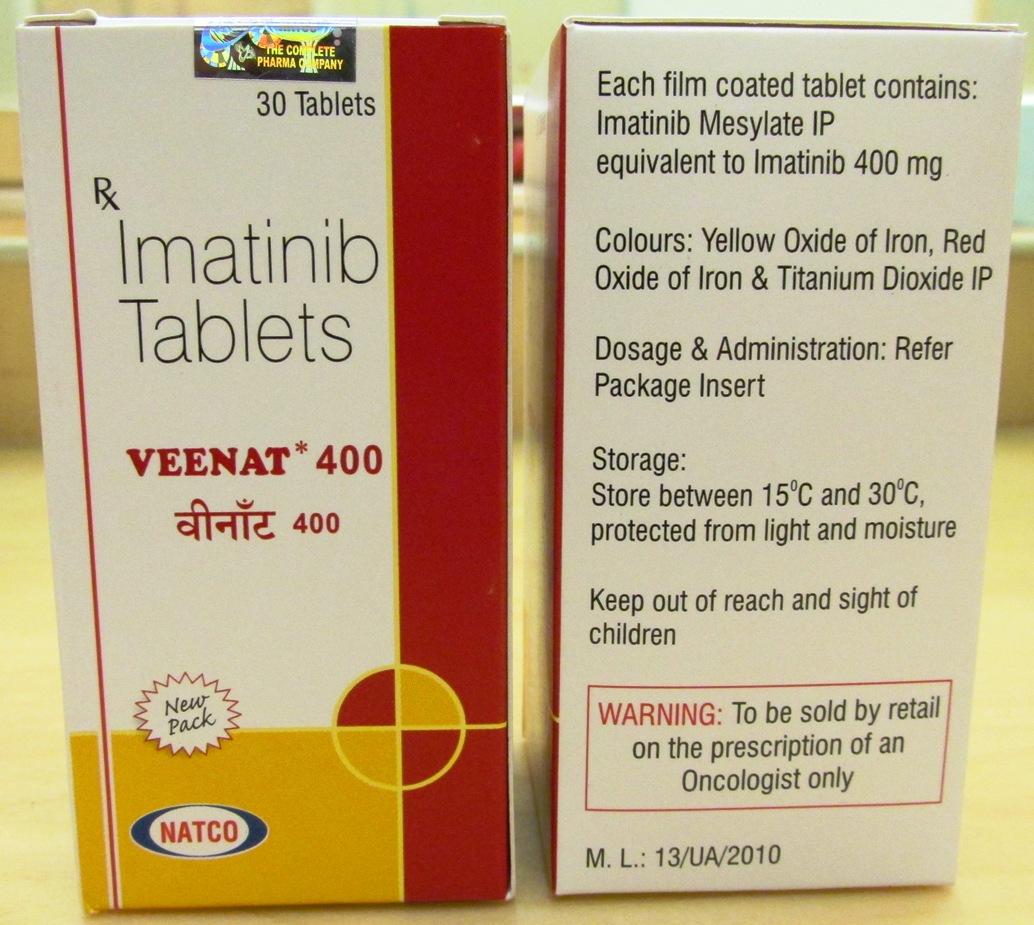
Veenat
Imatinib 100mg, 400mg Tablets
Details
Imatinib 100mg, 400mg Tablets are used to treat a variety of cancers. It is an Anticancer drug that is a yellowish-tinged crystalline powder. Internationally this drug is known by the name of Glivec. However, in India, it is available by the name of Veenat.
Purpose:
Certain types of cancer that are treated by Imatinib 100mg, 400mg Tablets are:
- Acute lymphoblastic leukemia
- Chronic myeloid leukemia
- Gastrointestinal stromal tumors
- Myelodysplastic/ Myeloproliferative diseases
- It obstructs or slows down the growth of cancer cells.
- Certain immune system disorders can also be treated with Veenat such as hypereosinophilic syndrome, aggressive systemic mastocytosis.
Mechanism:
These tablets are a protein-tyrosine kinase inhibitor that obstructs BCR-ABL tyrosine kinase, it is a constitutive abnormal kinase that is formed by the Philadelphia chromosome abnormality.
Using bone marrow and ex vivo peripheral blood samples from CML patients, Imatinib 100mg, 400mg Tablets inhibit the colony formation in assays.
Dosage:
- The dose is to be administered orally.
- Strictly as prescribed by your doctor.
- The recommended dose of Glivec for effective results is 400 mg or 600 mg, once daily or 800 mg to be taken as 400 mg twice daily.
- When dose reduction seems necessary in some conditions, it should be reduced to 400 mg once daily.
- Swallow the tablet with lots of water.
Side effects:
- Common side effects of Veenat tablets are weight loss, vomiting, nausea, dry skin, hair loss, mouth sores, loss of appetite, tiredness, changes in taste, or voice.
- It is indicated to increase your blood pressure.
- If you experience any signs of constipation, overactive thyroid, slow heartbeat, unusual weight loss, or cold intolerance, visit your doctor right away, before the situation worsens.
- Other side effects include fainting, bloody stools, swelling, trouble in breathing, back pain, changes in vision, unusual pain, jaw pain, muscle spasms, dark urine, yellowing of the skin, sore throat, easy bruising among others.
- Gastrointestinal perforation
- Drug-induced hepatitis
- Haemorrhage
- Cardiac ischemia
- WT interval prolongation
Precautions and measures:
- Keep a regular check on your blood pressure while you’re on medication for Veenat tablets.
- If you have had a medical history of coronary artery disease, high blood pressure, aneurysm, break in the aorta, liver disease, heart attack, or any recent injury, inform your doctor.
- It may cause low levels of magnesium and potassium in the blood.
- This medication can result in delayed healing of wounds.
- If you’re planning to have surgery, during the tenure of this drug, discuss the risks and benefits with your doctor.
- Pregnant women are advised not to consume these tablets as it is absorbed through lungs and skin and can harm the unborn baby.
- Breastfeeding is not recommended during the treatment with Imatinib 100mg, 400mg Tablets and for 2 weeks after discontinuing the drug.
Frequently Asked Questions
1. What is Veenat (Imatinib) used for?
Veenat contains imatinib mesylate, a tyrosine kinase inhibitor used to treat several cancers and blood disorders. Imatinib is indicated for Philadelphia chromosome-positive chronic myeloid leukemia (Ph+ CML), certain forms of acute lymphoblastic leukemia (ALL), and KIT-positive gastrointestinal stromal tumors (GIST), among other approved indications. The specific indication depends on the patient’s diagnosis and applicable regulatory approval.
2. How does Veenat (Imatinib) work?
Veenat works by inhibiting specific tyrosine kinases, including BCR-ABL, which is associated with Philadelphia chromosome-positive CML. It also inhibits other kinase targets such as KIT and PDGFR that are involved in certain cancers. By blocking these signaling pathways, imatinib helps inhibit the growth and proliferation of affected cancer cells.
3. What strengths of Veenat tablets are available?
Veenat is available in 100 mg and 400 mg film-coated tablets. The Veenat 400 mg presentation is documented by Singapore’s National Drug Formulary, while current imatinib prescribing information also confirms 100 mg and 400 mg tablet strengths. International buyers should confirm current packaging, quantity, and market availability with Lotus International.
4. How is Veenat administered?
Veenat is an oral tablet taken according to the treatment regimen prescribed by a qualified healthcare professional. Imatinib tablets should generally be taken with a meal and a large glass of water. Dosing varies according to the disease and treatment setting; for example, labeled adult doses include 400 mg daily for chronic-phase Ph+ CML and 400 mg daily for certain GIST indications.
5. Can international buyers source Veenat from Lotus International?
Lotus International supplies oncology and anticancer medicines from India for international pharmaceutical markets and accepts bulk orders. Importers, pharmaceutical distributors, wholesalers, hospitals, and procurement organizations can contact Lotus International regarding Veenat (Imatinib) supply, including product availability, required quantities, packaging, documentation, and export requirements.