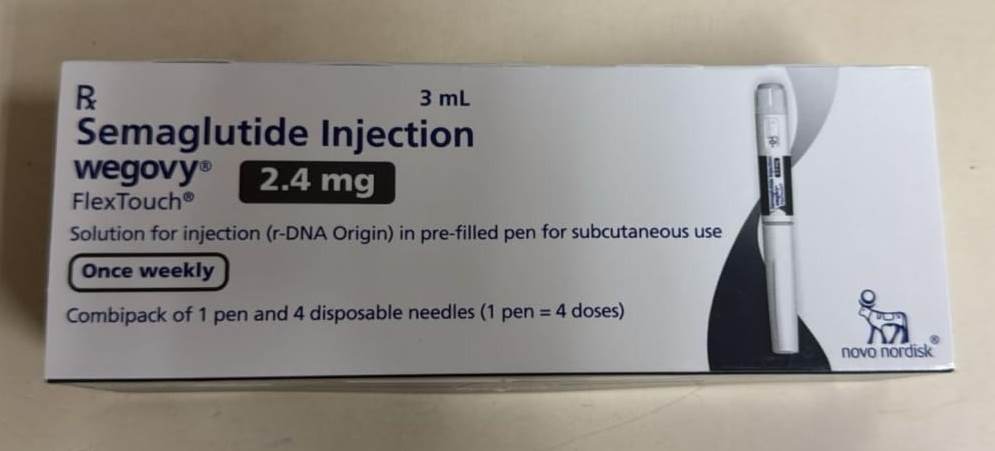
Wegovy
Wegovy
Details
Drug Name: Semaglutide (Wegovy)
Category: GLP-1 receptor agonist (antidiabetic medication)
International Brand: Wegovy
Available Strengths: 0.25 mg, 0.5 mg, 1 mg, 1.7 mg, 2.4 mg
Packaging: Single-use, pre-filled pens – 4 pens per pack (4-week supply)
Dosage Form: Subcutaneous injection
Uses:
- Long-term weight management in adults with obesity
- Weight reduction in overweight adults with comorbidities such as hypertension or type 2 diabetes
- Obesity treatment in adolescents aged 12 and above
- Reduces risk of major cardiovascular events in patients with obesity and heart disease
- Supports appetite control and calorie intake regulation
How It Works:
Wegovy is formulated with semaglutide, a compound that replicates the effects of the body’s natural GLP-1 hormone. It targets areas in the brain that regulate appetite and food intake, helping reduce hunger and calorie consumption. It helps delay stomach emptying while enhancing the body’s sensitivity to insulin.
Dosage:
Administered once weekly via subcutaneous injection:
- Start with 0.25 mg weekly
- Gradually increase every 4 weeks (0.5 mg → 1 mg →7 mg)
- Reach maintenance dose of 2.4 mg weekly
Injections are to be administered once weekly on a consistent weekday, regardless of meals.
Side Effects:
- Nausea or vomiting
- Diarrhea or constipation
- Headache
- Fatigue
- Abdominal pain or discomfort
Precautions:
- Patients who have previously experienced pancreatitis should be carefully evaluated before starting treatment.
- Monitor blood sugar levels in diabetic patients
- Regularly assess kidney function during treatment
- Ensure gradual dose escalation to reduce GI side effects
- Not recommended during pregnancy or breastfeeding
Contraindications:
- Personal or family history of medullary thyroid carcinoma
- Multiple endocrine neoplasia syndrome type 2 (MEN 2)
- Known hypersensitivity to semaglutide or any component
- Severe gastrointestinal disease (e.g., gastroparesis)
- Pregnancy
Interactions:
- May delay absorption of oral medications
- Use with insulin or other GLP-1 agonists can increase risk of hypoglycemia
- Interaction with sulfonylureas may require dose adjustments
- Reduced effectiveness of oral contraceptives due to delayed gastric emptying
- Caution with diuretics or medications that cause dehydration